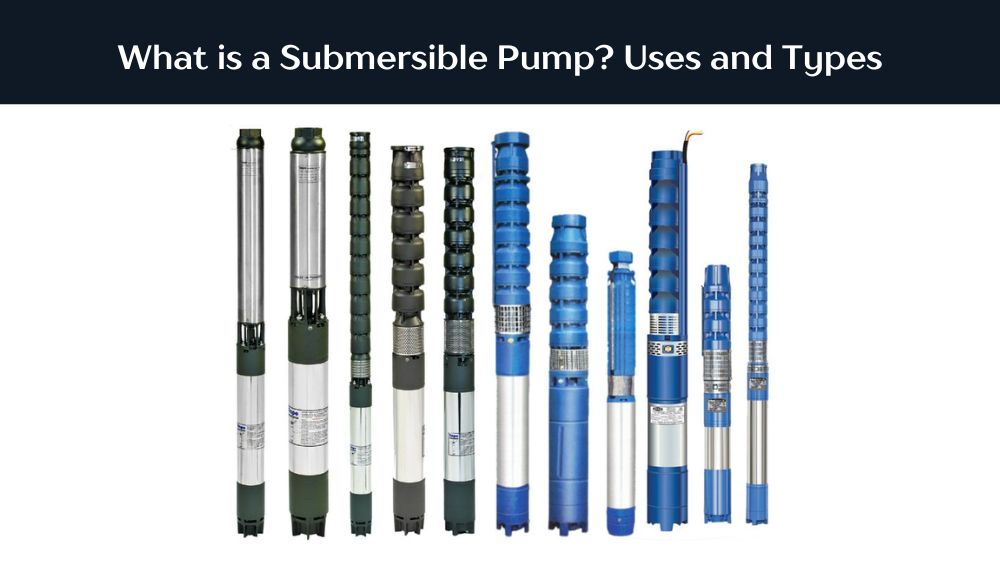
Submersible pumps are essential tools in various applications, designed to operate while fully submerged in water or other fluids. These pumps are highly efficient and versatile, making them crucial in many industries. This blog will explore the fundamentals of submersible pumps, their uses, and the different types available.
What is a Submersible Pump?
A submersible pump, as the name suggests, is a device that can be submerged in water. It is hermetically sealed, with the entire assembly including the motor encapsulated within a casing to prevent any fluid from entering. The primary function of a submersible pump is to push the fluid to the surface rather than pulling it, which makes it more efficient and effective for certain applications.
How Does a Submersible Pump Work?
The pump operates on a simple principle: when submerged, water enters the pump and reaches the impeller. The impeller then rotates, creating centrifugal force, which pushes the water to the surface. This mechanism is highly efficient because the pump doesn’t have to work against gravity, reducing energy consumption and improving performance.
Uses of Submersible Pumps
Submersible pumps are used in a wide range of applications due to their efficiency and reliability. Here are some common uses:
- Water Wells: Submersible pumps are frequently used in water wells to extract groundwater for residential, commercial, and agricultural purposes. They are ideal for deep wells where other types of pumps might not be effective.
- Sewage Treatment: In wastewater management, submersible pumps are employed to handle sewage and effluent. They can operate in harsh conditions, dealing with solids and semi-solids without clogging.
- Oil and Gas: In the oil and gas industry, submersible pumps are used to extract oil from wells. They are effective in handling various types of fluids, including oil and gas mixtures.
- Industrial Applications: Submersible pumps are utilized in various industrial processes, such as chemical processing, slurry pumping, and dewatering in construction sites.
- Aquaculture: In fish farming and other aquaculture operations, submersible pumps maintain water circulation and oxygenation, essential for the health of aquatic life.
- Flood Control: These pumps are used in flood control systems to remove excess water from basements, tunnels, and other low-lying areas.
Types of Submersible Pumps
There are several types of submersible pumps, each designed for specific applications. Here are the most common ones:
- Stainless Steel Multistage Borewell Submersible Pumps: These pumps are known for their durability and corrosion resistance, making them suitable for a variety of applications, including drinking water supply and agricultural irrigation.
- 4″ SS Multistage Borewell Submersible Pumps: Ideal for narrow borewells, these pumps offer high efficiency and long service life.
- 6″ SS Multistage Borewell Submersible Pumps: These pumps are used for deeper borewells, providing higher head and flow rates.
- 8″ & 10″ SS Multistage Borewell Submersible Pumps: Suitable for very deep borewells, these pumps are designed for high-capacity applications.
- Casting Multistage Borewell Submersible Pumpset: These pumps are robust and reliable, designed to handle challenging conditions in borewell applications.
- 4″ Plastic Casting Multistage Borewell Submersible Pumpset: Lightweight and corrosion-resistant, these pumps are ideal for various water supply applications.
- 3″ & 4″ Noryl Multistage SS Jacketed Submersible Pumpset: These pumps feature a stainless steel jacket for added durability and are suitable for small to medium-sized borewells.
- ISSDP Series Submersible Sewage & Drainage Pumps: Designed for sewage and drainage applications, these pumps can handle solids and are ideal for wastewater management.
- IOW-SP Series Cast Iron Horizontal Openwell Submersible Pumps: These pumps are durable and efficient, suitable for open wells and other horizontal pumping applications.
- IOW-SP Series SS Horizontal Openwell Submersible Pumps: Made of stainless steel, these pumps offer enhanced corrosion resistance for various water supply needs.
- IOW-SP Cast Iron Vertical Series Openwell Submersible Pumps: These vertical pumps are robust and efficient, designed for open wells and other vertical pumping applications.
- IOW-SP SS Vertical Series Openwell Submersible Pumps: Stainless steel construction provides excellent corrosion resistance, making these pumps ideal for various water supply applications.
- 4″ Oil Filled Submersible Motors: These motors are used in submersible pumps for various applications, providing reliable and efficient performance.
- 4″, 6″, 8″, & 10″ Water Filled Rewindable Motors: These water-filled motors are suitable for a range of borewell sizes and can be easily rewound for maintenance.
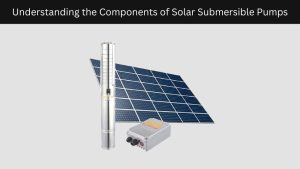
- Solar Submersible Pumping Systems: Utilizing solar energy, these pumps are environmentally friendly and are used in remote locations where electricity supply is unreliable. They are commonly used for irrigation and livestock watering.
Advantages of Submersible Pumps
Submersible pumps offer several advantages:
- Efficiency: They are highly efficient as they push water to the surface, reducing energy consumption.
- Quiet Operation: Being submerged, they operate quietly, making them ideal for residential applications.
- Versatility: They can handle various types of fluids, including clean water, sewage, and oil.
- Durability: Submersible pumps are built to withstand harsh conditions, ensuring longevity and reliability.
Maintenance and Care
To ensure the longevity and efficient operation of submersible pumps, regular maintenance is crucial. This includes:
- Inspecting and cleaning the pump regularly to remove any debris or buildup.
- Checking the electrical connections to ensure they are secure and free from corrosion.
- Monitoring the pump’s performance to detect any changes that might indicate wear or damage.
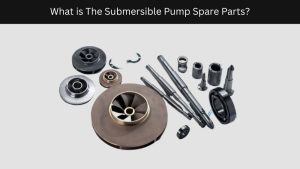
- Replacing worn-out parts promptly to avoid further damage.
Conclusion
Submersible pumps are vital in various industries due to their efficiency, reliability, and versatility. Understanding the different types and their applications can help in selecting the right pump for your needs. Whether you are looking to extract groundwater, manage sewage, or maintain a decorative fountain, there is a submersible pump designed for the job. Regular maintenance will ensure these pumps continue to perform effectively, providing long-term solutions for your pumping needs.