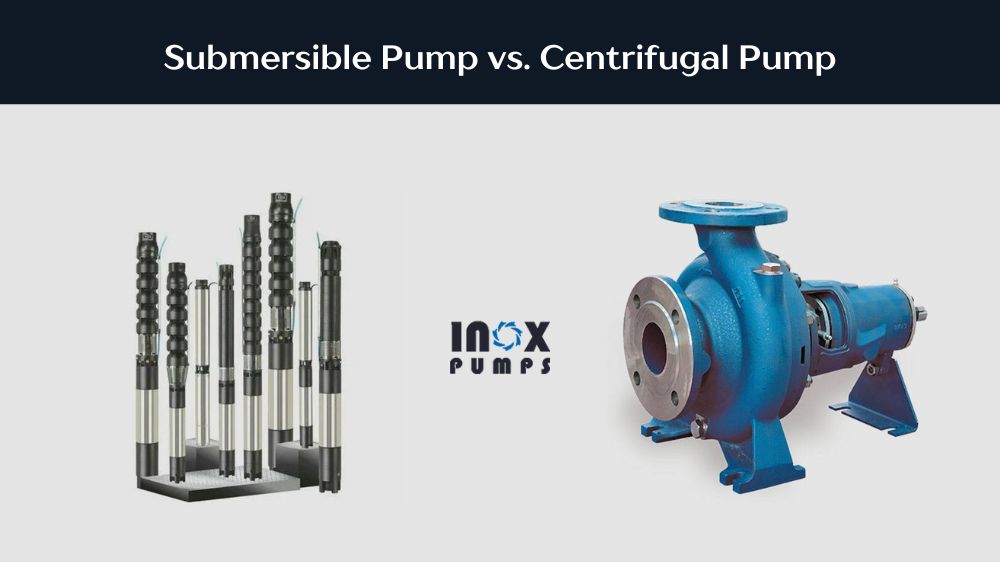
Pumps are essential components across various industries and applications, providing the mechanical energy needed to move fluids from one place to another. Among the wide array of pumps available, submersible pumps and centrifugal pumps stand out due to their versatility, efficiency, and unique features. This article will explore these two popular pump types, comparing their design, operation, advantages, and best-suited applications to help you determine which one might be best for your needs.
Overview of Submersible Pumps

A submersible pump, as its name implies, is designed to be fully submerged in the fluid it’s pumping. These pumps feature a hermetically sealed motor that allows them to operate underwater without risking damage from fluid infiltration. Submersible pumps are highly efficient since they push water to the surface rather than pulling it, reducing energy loss.
Common Types of Submersible Pumps:
- Sewage/Effluent Pumps: Used in sewage and wastewater treatment plants.
- Well Pumps: Commonly used for deep wells where water is far below the surface.
- Sump Pumps: Typically used in basements to prevent flooding by removing water accumulation.
Key Components of a Submersible Pump:
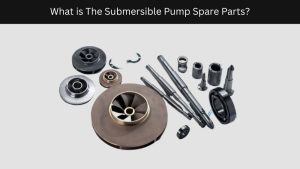
- Pump Motor: Sealed and waterproof, preventing fluid infiltration.
- Impeller: Drives the fluid through the pump system.
- Discharge Pipe: Moves the fluid from the pump to the surface or desired location.
Types of Submersible Pumps
- Stainless Steel Multistage Borewell Submersible Pumps
- 4″ SS Multistage Borewell Submersible Pumps
- 6″ SS Multistage Borewell Submersible Pumps
- 8″ & 10″ SS Multistage Borewell Submersible Pumps
- Casting Multistage Borewell Submersible Pumpset
- 4″ Plastic Casting Multistage Borewell Submersible Pumpset
- 3″ & 4″ Noryl Multistage SS Jacketed Submersible Pumpset
- ISSDP Series Submersible Sewage & Drainage Pumps
- IOW-SP Series Cast Iron Horizontal Openwell Submersible Pumps
- IOW-SP Series SS Horizontal Openwell Submersible Pumps
- IOW-SP Cast Iron Vertical Series Openwell Submersible Pumps
- IOW-SP SS Vertical Series Openwell Submersible Pumps
- 4″ Oil Filled Submersible Motors
- 4″, 6″, 8″, & 10″ Water Filled Rewindable Motors
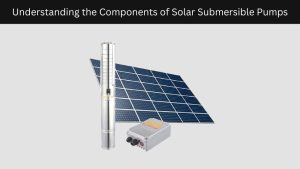
- Solar Submersible Pumping Systems
Overview of Centrifugal Pumps

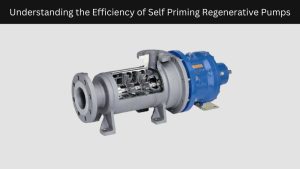
Centrifugal pumps are among the most widely used pump types, operating on the principle of centrifugal force. These pumps use a rotating impeller to transfer kinetic energy to the fluid, propelling it outward from the center and increasing its velocity. Unlike submersible pumps, centrifugal pumps are usually mounted above the fluid, requiring suction to draw the liquid up into the pump before it can be moved.
Common Types of Centrifugal Pumps
- Single-Stage Pumps: Feature a single impeller and are commonly used for high-flow, low-pressure applications.
- Multi-Stage Pumps: Contain multiple impellers for high-pressure applications.
- Axial and Radial Flow Pumps: Used for specific flow requirements.
Key Components of a Centrifugal Pump
- Impeller: Spins to create the centrifugal force that moves the fluid.
- Volute Casing: Guides fluid out of the pump after it leaves the impeller.
- Suction and Discharge Ports: Connects the pump to piping systems for fluid intake and output.
Types of Centrifugal Pumps
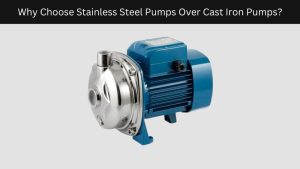
- ISCP Series Stainless Steel Centrifugal Pumps
- ICFP Series Centrifugal Pumps- Din Standard
- ICMP Series Centrifugal Monoblock Pumps
- Cast Iron ICMP Series Centrifugal Monoblock Pumps
- SS 304 ICMP Series Centrifugal Monoblock Pumps
Comparison of Submersible and Centrifugal Pumps
Understanding the differences between submersible and centrifugal pumps will help clarify which is better suited for particular applications.
| Feature | Submersible Pump | Centrifugal Pump |
|---|---|---|
| Installation | Fully submerged in the fluid | Above the fluid level |
| Operation | Pushes fluid to the surface | Pulls fluid into the pump |
| Efficiency | More energy efficient due to direct fluid contact | Less efficient due to suction requirements |
| Maintenance | More challenging due to submersion | Easier to access for maintenance |
| Noise Level | Quiet operation | Generally noisier due to air operation |
| Common Applications | Wells, sumps, sewage treatment | Water supply systems, irrigation, HVAC |
| Lifespan | Often shorter due to constant fluid exposure | Typically longer, easier to repair/replace |
| Cavitation Risk | Minimal risk | Higher risk |
Advantages of Submersible Pumps
- High Efficiency: Submersible pumps eliminate the need for priming, as they are already in contact with the fluid.
- Quiet Operation: Being underwater minimizes operational noise, which is ideal for residential and commercial areas.
- Reduced Cavitation Issues: Operating below the water level reduces the likelihood of cavitation, which can damage the pump.
Disadvantages of Submersible Pumps
- Difficult to Access: Submersion can make it challenging to access and repair the pump.
- Sealing Issues: If the motor’s seal fails, water infiltration can cause serious damage.
- Shorter Lifespan: Continuous exposure to water may reduce the pump’s longevity compared to other pump types.
Advantages of Centrifugal Pumps
- Versatility: These pumps handle a wide range of liquids, including those with higher viscosities.
- Easy Maintenance: Due to above-ground installation, maintenance and repair are simpler and less time-consuming.
- Longer Service Life: Proper maintenance can extend the life of centrifugal pumps significantly.
Disadvantages of Centrifugal Pumps
- Prone to Cavitation: This can be a concern, especially in systems with low-pressure intake.
- Suction Limitations: Centrifugal pumps have a limited suction capability, making them unsuitable for deep wells or other high-lift applications.
- Priming Requirement: Most centrifugal pumps require priming, adding an extra step before operation.
Applications of Submersible and Centrifugal Pumps
Best Applications for Submersible Pumps:
- Deep Well Watering: Ideal for wells where the water level is far below the ground.
- Sewage and Wastewater Treatment: Suitable for pumping out wastewater with high solid content.
- Flood Control: Effective for basement and low-lying area drainage.
Best Applications for Centrifugal Pumps:
- Water Supply Systems: Centrifugal pumps are commonly used in municipal and industrial water supply systems.
- Irrigation: Efficiently transports water from sources to irrigation systems for agriculture.
- HVAC Systems: Integral to heating and cooling systems for water circulation.
Conclusion: Choosing the Right Pump
Both submersible and centrifugal pumps offer distinct advantages, depending on the specific requirements of the application. Submersible pumps are better suited for deep wells, wastewater management, and flood control due to their ability to operate underwater efficiently. In contrast, centrifugal pumps are more versatile for industrial applications, where accessibility, ease of maintenance, and longer lifespans are prioritized.
When choosing between these two pump types, consider factors such as fluid depth, required maintenance, operational environment, and budget. In doing so, you can ensure that the pump selected will offer reliable, efficient performance tailored to the needs of your specific application.