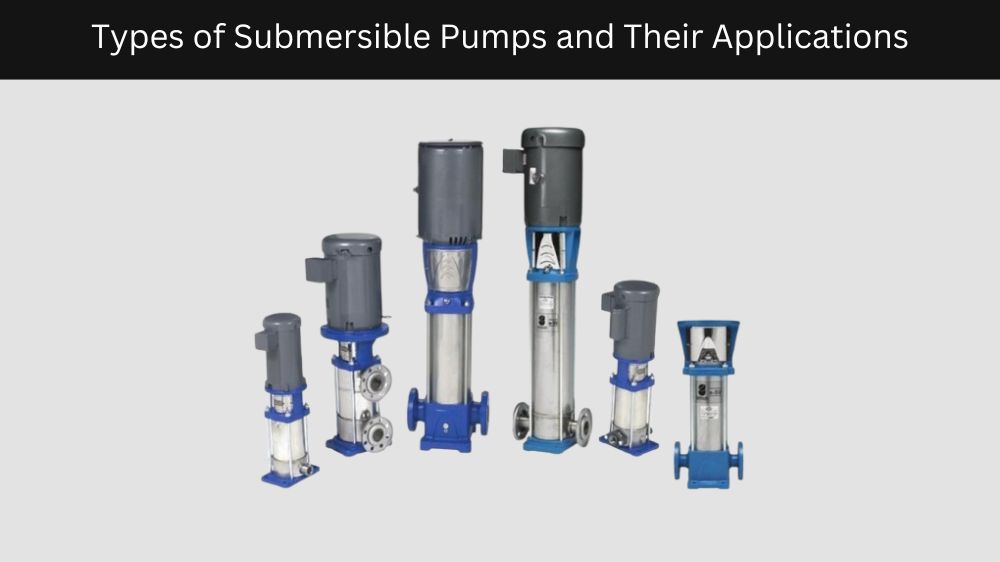
Vertical Multi Stage Pumps are a crucial component in a wide range of industrial and commercial systems, particularly where high-pressure, energy-efficient water transfer is required. These pumps are designed with multiple impellers stacked vertically to achieve higher pressure without increasing motor power significantly. They are compact, reliable, and ideal for situations where space is limited but performance cannot be compromised.
In this blog, we will explore the various types of Vertical Multi Stage Pumps available in the market and highlight their specific uses across different sectors, helping you understand which type suits your application best.
What Are Vertical Multi Stage Pumps?
Before diving into the types, it’s important to understand what Vertical Multi Stage Pumps are. These pumps consist of two or more impellers arranged vertically on a single shaft. Each stage adds pressure to the fluid, making the pump capable of handling high-pressure applications with consistent flow. They are typically non-self-priming and require a positive suction head.
They are widely used in applications like water supply systems, boiler feed operations, HVAC systems, and various industrial processes.
Types of Vertical Multi Stage Pumps
There are several classifications of Vertical Multi Stage Pumps based on their design, material, and application focus. Below are the most common types:
1. Inline Vertical Multi Stage Pumps
Design:
These pumps feature a vertical configuration with inlet and outlet on the same horizontal line. The inline design makes installation easier, especially in systems with limited space.
Uses:
- Commercial water supply systems
- Pressure boosting in high-rise buildings
- Boiler feed applications
- Cooling tower water circulation
Key Benefits:
- Space-saving design
- Easy to install in pipeline systems
- High efficiency at medium to high pressures
2. Submersible Vertical Multi Stage Pumps
Design:
Designed to operate while submerged in the fluid they are pumping. They are completely sealed to prevent fluid ingress into the motor.
Uses:
- Deep well pumping
- Groundwater extraction
- Agricultural irrigation
- Industrial sump drainage
Key Benefits:
- No need for priming
- Operates silently and efficiently
- Ideal for deep installation
3. Close-Coupled Vertical Multi Stage Pumps
Design:
In this configuration, the pump and motor share a common shaft, making the unit more compact and eliminating alignment issues.
Uses:
- Water treatment systems
- Washing and cleaning systems
- Light industrial processes
Key Benefits:
- Compact design
- Reduced maintenance
- Lower installation cost
4. Baseplate-Mounted Vertical Multi Stage Pumps
Design:
These pumps are mounted on a common baseplate and connected to a separate motor via a coupling. This design offers easier maintenance of individual components.
Uses:
- Large industrial plants
- Petrochemical and chemical industries
- Paper and pulp production
Key Benefits:
- Flexible maintenance
- Easy motor replacement
- Suitable for high-duty operations
5. Vertical Canned Motor Pumps
Design:
These pumps are completely leak-proof as the motor and pump share a common hermetically sealed enclosure. They are used in applications where fluid leakage is not tolerable.
Uses:
- Nuclear power plants
- Handling hazardous liquids
- Pharmaceutical and fine chemical industries
Key Benefits:
- Zero leakage
- Compact and enclosed design
- Ideal for toxic or flammable fluids
Material Variations and Their Impact
Vertical Multi Stage Pumps can also be differentiated by the materials used in their construction:
- Stainless Steel: Corrosion resistance and durability make them perfect for water treatment and food processing industries.
- Cast Iron: Suitable for general-purpose water pumping where corrosive fluids are not involved.
- Bronze or Composite Materials: Often used in seawater or chemical handling applications due to their resistance to erosion and corrosion.
Industry-Specific Applications
Let’s look at how the above types are specifically applied in different sectors:
Municipal Water Supply
Inline vertical pumps are commonly used to maintain constant pressure in municipal supply systems, especially in urban areas with high-rise buildings.
Boiler Feed in Power Plants
High-pressure baseplate-mounted pumps are perfect for feeding water into boilers in thermal and steam power plants, ensuring reliable operation.
Commercial Buildings
For HVAC and pressure boosting, close-coupled and inline types are widely adopted in commercial and institutional buildings.
Agriculture and Irrigation
Submersible vertical multi stage pumps offer an efficient solution for drawing water from wells or boreholes to irrigate crops.
Industrial Processing
Canned motor pumps are used in chemical and petrochemical industries where fluid handling must be done without any leakage.
Conclusion
Understanding the different types of Vertical Multi Stage Pumps is essential for selecting the right pump for your specific application. Whether you need a compact and efficient solution for a high-rise building or a leak-proof design for chemical processing, there is a vertical multi stage pump tailored to meet those needs. These pumps play a pivotal role in ensuring high efficiency, reliability, and performance across a multitude of sectors.
Choosing the correct type not only improves operational efficiency but also enhances the longevity and reliability of your fluid management system. With ongoing innovations in design and materials, the future of Vertical Multi Stage Pumps looks more promising than ever.