A water sucking pump is a mechanical device engineered to move water from one location to another using suction force. The primary function of the pump is to create a vacuum inside the pumping chamber, reducing the pressure so that water is drawn in from a water source such as a tank, well, sump, or pond. Once the water is inside, it is pushed through an outlet pipe to the desired location.
Types of Mechanisms:
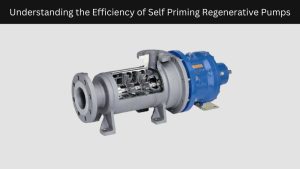
- Centrifugal Pumps use a rotating impeller to create kinetic energy, converting it into pressure energy to move water.
- Jet Pumps combine suction and pressure through a nozzle and venturi system, ideal for deep suction needs.
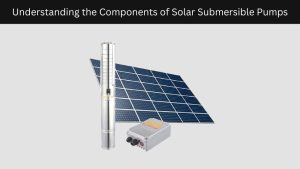
- Submersible Pumps are placed directly into the water source, eliminating air handling problems and increasing efficiency.
- Diaphragm Pumps use reciprocating diaphragms for small volume, precise water movement, especially in chemical industries.
These pumps are used across both low-lift and high-lift applications and can handle everything from clean water to slurry or sewage, depending on their build quality and specifications.
Where Can You Use a Water Sucking Pump?
The applications of water sucking pumps are diverse and widespread. Whether in urban households or remote agricultural lands, their adaptability makes them indispensable in many situations.
1. Domestic Applications:
- Draining flooded basements or waterlogged bathrooms.
- Pumping water from underground storage tanks to rooftop tanks.
- Emptying garden ponds or swimming pools for cleaning.
2. Agricultural Use:
- Lifting water from wells, rivers, or reservoirs for irrigation.
- Transferring water across fields with drip or sprinkler systems.
- De-watering trenches or low-lying farmland during the monsoon season.
3. Industrial Applications:
- Used in water treatment plants for moving treated or untreated water.
- Essential in mining operations to keep tunnels and shafts dry.
- Cooling systems in manufacturing facilities require constant water movement.
4. Construction Sites & Emergency Services:
- Removing groundwater from foundations and construction pits.
- Firefighters use high-suction pumps to draw water from ponds or tanks quickly during emergencies.
- Disaster response teams deploy these pumps to tackle flood situations efficiently.
The water sucking pump proves to be a real lifesaver in many of these scenarios, helping reduce manual effort and save time.
What Are the Key Benefits of Using a Water Sucking Pump?
Investing in a high-quality water sucking pump brings both practical and financial advantages across domestic, agricultural, and industrial needs.
Rapid Water Removal:
Time is often a critical factor, especially during floods or emergencies. A good pump can move hundreds or even thousands of litres of water per hour.
Energy Efficiency:
Modern pumps come with efficient motors that provide high output while consuming less electricity, reducing operational costs in the long run.
Versatility in Usage:
Many pumps are designed to handle both clean and dirty water. This means they can be used to empty ponds with algae or muddy water just as easily as a clean tank.
Durable and Low Maintenance:
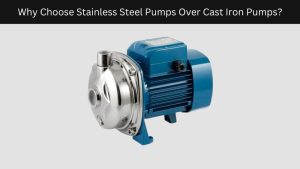
Made from stainless steel or heavy-duty polymers, these pumps are corrosion-resistant and require minimal servicing.
Smart Features:
Advanced models come with automatic float switches, thermal overload protection, and even solar-powered versions, making them suitable for off-grid areas.
Whether you’re a homeowner looking for a solution to occasional flooding or a farmer needing regular irrigation support, the water sucking pump proves to be an invaluable asset.
How to Choose the Right Water Sucking Pump for Your Needs?
With so many options on the market, choosing the best pump can be overwhelming. However, a clear understanding of your requirements and the pump’s specifications can simplify the decision.
Define the Purpose:
Is the pump needed for clean water, muddy water, or wastewater? Each requires different material strength and filter systems.
Suction Head (Lift Height):
This refers to the vertical distance from the water source to the pump. If you’re dealing with deep wells, go for a submersible or high-lift jet pump.
Flow Rate:
Expressed in litres per minute (LPM), this tells you how fast water will be moved. Domestic use may require 100–200 LPM, while industrial needs can exceed 1000 LPM.
Discharge Pressure:
If you’re pushing water up to a rooftop tank or through a long irrigation line, ensure the pump can handle the back pressure.
Power Source:
Electric pumps are common for households. Petrol or diesel-powered ones are more suitable for fieldwork or areas without electricity.
Build & Portability:
If the pump needs to be moved frequently (e.g., between fields or buildings), opt for a lightweight, corrosion-resistant design with handles or wheels.
Matching these factors with a reliable brand ensures that your water sucking pump performs efficiently for years to come.
Are There Any Maintenance Tips for a Water Sucking Pump?
Yes, regular maintenance is vital to ensure the pump remains effective and durable over time. Even the most advanced pumps can fail if not looked after properly.
Basic Maintenance Practices:
- Inspect suction and discharge pipes for leaks, clogs, or cracks every month.
- Clean the filter or strainer to prevent sediment buildup, especially in muddy water applications.
- Lubricate moving parts (if required) to avoid motor wear and tear.
- Check for airlocks in the suction pipe—these can cause dry running and pump damage.
Seasonal Storage:
If the pump is not used in winter or during dry months:
- Drain all water before storage to prevent internal rust or freezing.
- Store in a dry, covered area to protect the motor and seals.
Professional Servicing:
Annual check-ups by technicians can catch motor or impeller issues early, ensuring your pump doesn’t fail when you need it most.
By sticking to these maintenance habits, your pump will not only last longer but also retain its high performance under demanding conditions.
Conclusion:
In a world where water management is critical, a water sucking pump offers a powerful, efficient, and practical solution for moving water across various settings. Whether it’s emergency dewatering, irrigation, or general water transfer, these pumps deliver consistent results with minimum fuss. Choosing the right type and maintaining it properly ensures you’re always ready to tackle water-related challenges head-on.